Bigger Fish to Fry
i liked emo revival a lot. it ended 10 years ago. why did i even like it so much?
Emo revival ended, in my eyes, 10 years ago. It's the year the bands were at their end – Modern Baseball's final album, You Blew It!'s too – or were trying to ditch the word – The World Is A Beautiful Place and I Am No Longer Afraid to Die's album in 2015 and The Hotelier's in 2016 firmly represented the class of band that people decided will finally make indie rock snobs take emo seriously. It's the year pop punk washed over instead– the kind by bands with politics who are invested in DIY perspective: The Dream is Over by PUP, WORRY. by Jeff Rosenstock, Camp Cope's self titled. But also the kind that are mostly concerned with joke song titles and smoking weed: Hot Mulligan, Best Buds by Mom Jeans, a lot of stuff on Counter Intuitive Records. A lot of that kind of emo stuff is just pop punk music, which is fine. That's why it all got so popular for a while.
I've thought a lot about that end (from a height of relevance perspective) of the specific era of bands that I loved in high school a lot. Bands like Everyone Everywhere and Into It. Over It. and Kittyhawk and Joie De Vivre and Cstvt (Castevet?). Arbor Christmas Compilation emo. Philadelphia and Chicago and bands that you might mistake for being bands from Philadelphia and Chicago. Noodly and indebted to the 90s midwest emo bands both in sound and the way they perceive themselves as products of hardcore, tangible or not. Emo that sounds like Braid, or at least wants to open for them.
It's the music that I loved most as a teenager. I made zines about Proper and Home, Like No Place is There and Sports. I stared at pictures of house shows in Philadelphia on tumblr. I put stickers for Topshelf and No Sleep and Count Your Lucky Stars on my laptops and water bottles. I loved it.
I've tried to write about the end of it and what's happened since, but I've never found much to say. A lot of what has been going on since is either pop punk or an extension of the revival under slightly different optics. It's distinct in the sense that it tends to have more interest in electronics and gender diversity, but I'd sort of aged out of the sound regardless. With that, I don't know how much I want to espouse a passion for the fourth wave revival stuff. I don't know that I think that much of it is great, it's just what I liked at a formative moment– driven not insignificantly by a desperation to live in Chicago instead of in the suburbs. I don't know if I think it's special, although it's certainly special to me.
When I think about why I liked emo as a teenager there are a few different paths. The first is, obviously, that I lived close enough to Chicago that I felt a closeness to the Chicago emo scene at the time. I was a little too young to really participate in the house shows and basement shows in the city, but I knew enough to know I wanted to be in those houses with puns for names. I'm old enough to have seen Foxing and Modern Baseball play together and get hit in the head so hard I blacked out in the Bottom Lounge bathroom.
My favorite emo band is Everyone Everywhere. It always has been. I think they're fun and funny and every time I listen to them, to this day, I'm charmed. I remember downloading their songs to my short-lived Windows phone illegally so I could listen to "I Feel Exhausted" to and from my outpatient eating disorder treatment. It was sophomore year of high school. They'd break up that year and I'd receive the same sort of motivational rocks that the main character's mom in Mile End Kicks gave her upon graduating from the program.
Much of the emotionality of emo that I was drawn to was as much ensconced in bitterness and the us-versus-them attitude about friends as it was heartbroken. Much of it doesn't get quite to "My Friends Over You," though Modern Baseball obviously gets close sometimes, but it's mostly not wallowing music. There is bitterness and self loathing in the anxiety of being a failure almost more than anything else.
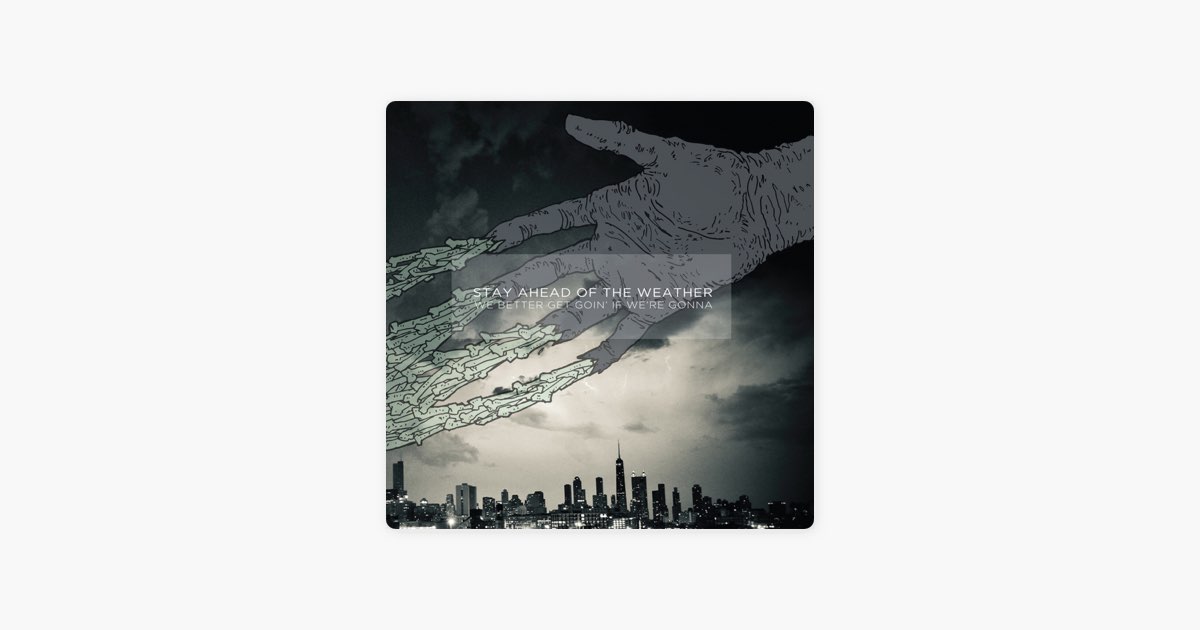
I like the petty stuff, though. I think the best song Evan Weiss ever wrote was "Grow Old or Die Tryin'" by Stay Ahead of the Weather and the best part of that song is him saying someone should smoke outside even though it's their house. I think he's best bratty and shitty and he's not the only one I think that of. Certainly I always liked the softer songs, but emo is best when it's passive aggressive and judgey.

I'm staying away from the more directly hardcore adjacent The Wave stuff of a similar era because in my mind that's a different topic with different tendencies. Is that stuff emo? I don't know, but even when I think about a band like La Dispute (who by virtue of midwestern connection I will bring up) the big, cathartic emotionality of that is underscored by a deep care for Michigan that lives just under a lot of the stories.
Maybe it's a matter of taste that I like the petty and socially convoluted stuff better, but I also think emo needs to be rooted in some aspect of locality to work and almost everything I really loved had that. I want to hear names of streets that practice spaces are on and public transit station namedrops and the feeling that comes from being in living rooms with people you hate. A lot of the very current internet native emo I think loses all of that in a way that hurts the specificity of the emotion.
In this exercise of interrogating why I loved this kind of emo as a teenager I've found myself thinking of Steve Poponi. Much everything I love sounds as much, or more, like Up Up Down Down as it does like anything with a Kinsella attached to it. He passed in late 2023 and I've thought a lot about his and Gradwell House's impact on the world of music I grew up loving.
He worked on a great deal of music I love outside of just making music I liked. His recording studio is important. The sound of his music was underneath so much of Philly and South Jersey emo that bled into Chicago. When I first heard And Nothing Is #1 it became so clear to me that a lot of what I loved was not just broadly harkening to the 90s, but specifically stemming from this. In that way, emo is all one continuous motion, except in the great successful aspect. That Up Up Down Down album came out in 2003, but it doesn't feel like distant influence as much as it feels like foundational text. (Don't call it a revival.)
I've grown to feel it's not wrong to say emo is red eyeshadow and theatrics. It's not wrong when people younger than me call glorified pop punk garbage "midwest emo" because they're just describing some guy they know who cuffed his jeans. All of that can be emo if you want it to be, but, for me, it's intimacy and convoluted social dynamics. It's middle class and small scale. It's The Metro at most. It's a college band everybody else remembers more fondly than the members, it's 9 bands with the same drummer, it's a label that probably won't send out the album you bought, it's bitchy lyrics and understated (to be kind) stage presence. It was something I was a little too young to fully experience, but old enough that I knew I didn't think Joyce Manor was emo (and get yelled at by the isthisbandemo guy on twitter about it).
It was relatively small and it was contained to a moment. It wasn't particularly political, nor was it really saying anything of note. It was relatively serious in a way the following decade of irony and weed laden emo shied away from (though the personas of and t-shirts made by the bands weren't more serious than that stuff). It was also bitter and drunk and made by people I don't tend to think are worth looking up to. It probably ruined any reverence I could have developed for (most) musicians. Maybe it was the last bit of stuff that was online in a more optimistic way, at least in a marketing sense. Maybe that was just the way it felt when I was on tumblr.
The tumblr aspect was the single most influential part of all of this, really. So much of why I liked this stuff (and probably why it found me online) is due to the visual language of the genre succeeding on a platform like tumblr.
Emo's most defining factor, regardless of your understanding of what "emo" is, is the visual language. I'm prone to minimizing American Football because I don't much care for the band, but it's hard to ignore that the house on the cover is iconic and important to their place as God's Favorite Emo Nostalgia Act. (I'm more sympathetic to OWLS and Joan of Arc, if you want to know where my Kinsella allegiance lands. I'm even an Owen fan despite that being the most wallowing of all the emo I've ever listened to.)
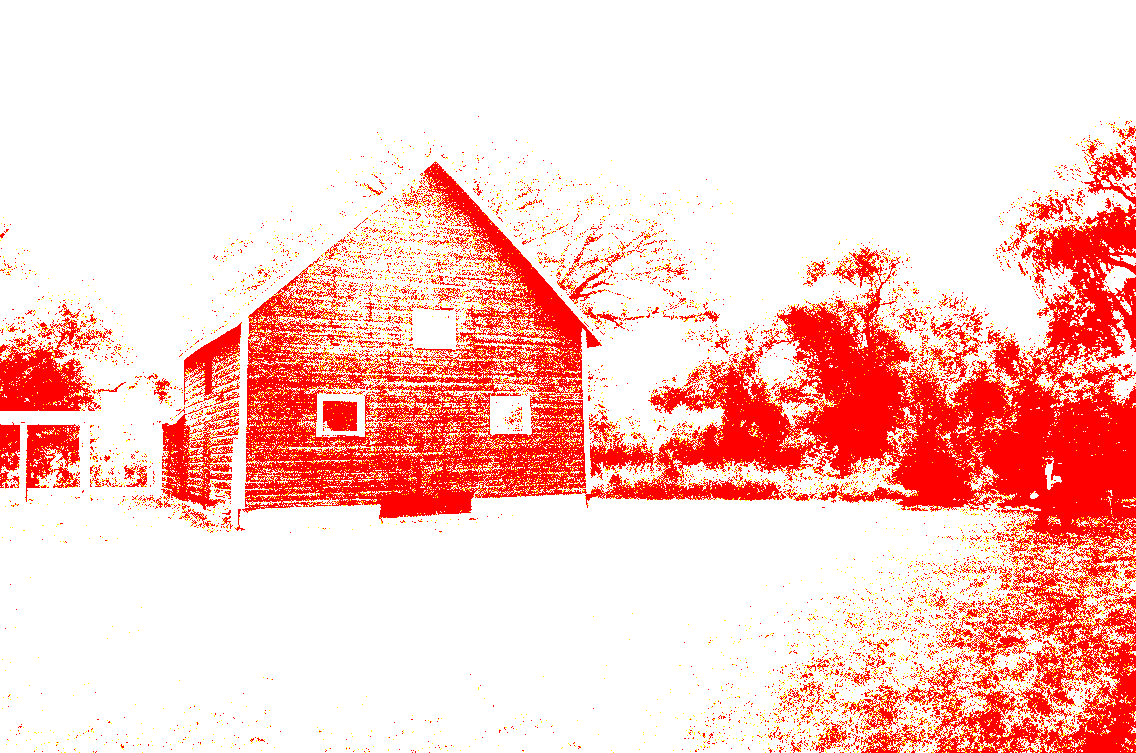
The easy visual identity of these albums – houses on covers, vintage photos, street and city motifs, photography from inside house shows – is the most cohesive aspect of the era of music I loved as a teenage, both inside emo and extending to pop punk that would eventually be lumped into the memory of the revival. Lyric edits were easy to make mimic the t-shirts and albums and official images. It aligned well with the now-mockable Instagram filters. That's what leads to a transition of what "midwest emo" means into just a type of guy, but I think it's also a huge part of the successful online promotion of bands like Modern Baseball and The Hotelier and Title Fight and whatever else was being called Revival at the time. It's the thing that survives, too, though I think the Real Emo enthusiasts have taken to referencing the album covers for the kind of music that gets reissued by Numero more than anything associated with what I'm really talking about here.
In 2016, I was in college and living in Chicago. I mostly stopped listening to emo as the stuff I loved stopped being really recognizable to me or I grew out of it or the bands ended, but it remained a major part of my self perception. In college, I dated guys I met on tumblr and guys who had A Great Big Pile of Leaves tattoos and Polyvinyl t-shirts. I still went to emo shows and hung up the screenprinted poster for those shows long after I was really listening to the bands on them. When I moved to Philadelphia the things I knew about the city still stemmed from the time I spent reading about and listening to Philly emo of an era long over. The bands change, but the street names and the look of the inside of the West Philly houses and the names that show up in the gossip of my music industry friends were all familiar from what I could find in my teenage curated record collection.
I think part of the appeal was wrapped up in specific places I wasn't a part of. It loses its charm when I could see it more up close, but I think it's still what I look for in emo. I should know where you're from, not just that you're having a feeling or able to play guitar in a certain way.
All the emo I love best will probably always be concerned with letting me know exactly where it was made. Most of has been made by, and will always be made by, people who kind of resent each other but can't escape each other. Real emo, to me, is rooted in a communication of social dynamics that are poisoning everybody. That's what makes any of it good. Or maybe it was good because I was 16.
Either way.
Miranda Reinert is a music adjacent writer, zine maker, podcaster and law school drop out based in Chicago. Check out PDFs of most of my zines at the link on the top of the screen. Follow me on Twitter or Bluesky to see me be normal: @mirandareinert. This blog does have a paid option and I would so appreciate any money you would be willing to throw me! You may also send me small bits of money at @miranda-reinert on venmo/on Paypal if you want. As always, thanks for reading!
Comments ()